Optimal Timing for Water Treatments
Water treatments are most effective when performed at specific times to optimize water quality and system efficiency. Seasonal changes, water usage patterns, and water source conditions influence the ideal timing for treatments. Proper scheduling ensures contaminants are minimized and system longevity is maintained.
Spring is an ideal time for water treatments as it prepares systems for increased usage during warmer months.
Treatments before summer help prevent algae growth and water quality issues during peak usage.
Applying treatments in fall ensures water systems are ready for winter and reduces buildup.
After periods of heavy water use or storms, treatments can restore water quality and system health.
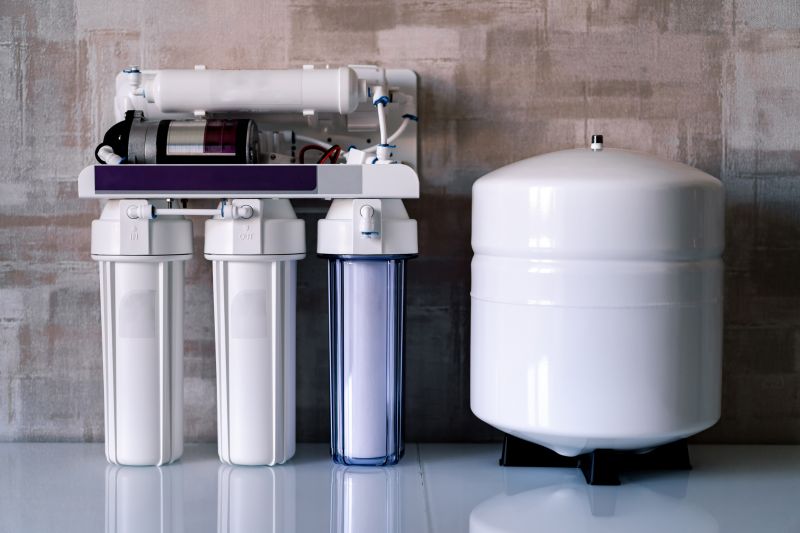
Advanced systems used for effective water purification.
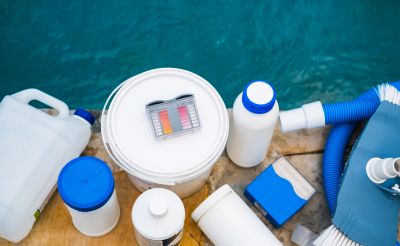
Samples collected to determine water quality before treatment.
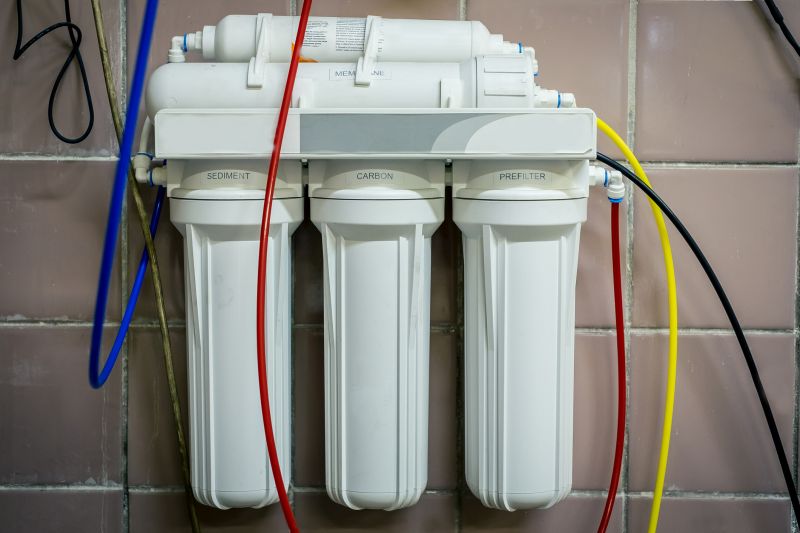
Clean, treated water suitable for various applications.
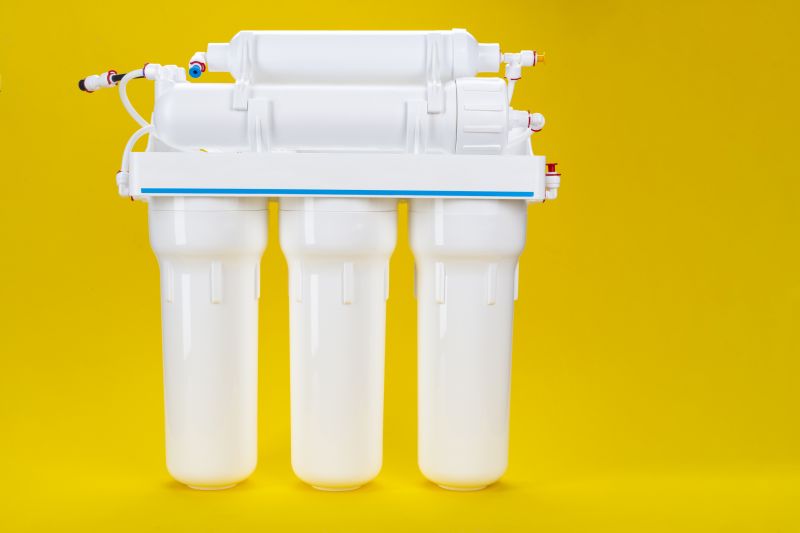
Ways to make Water Treatments work in tight or awkward layouts.
Popular materials for Water Treatments and why they hold up over time.
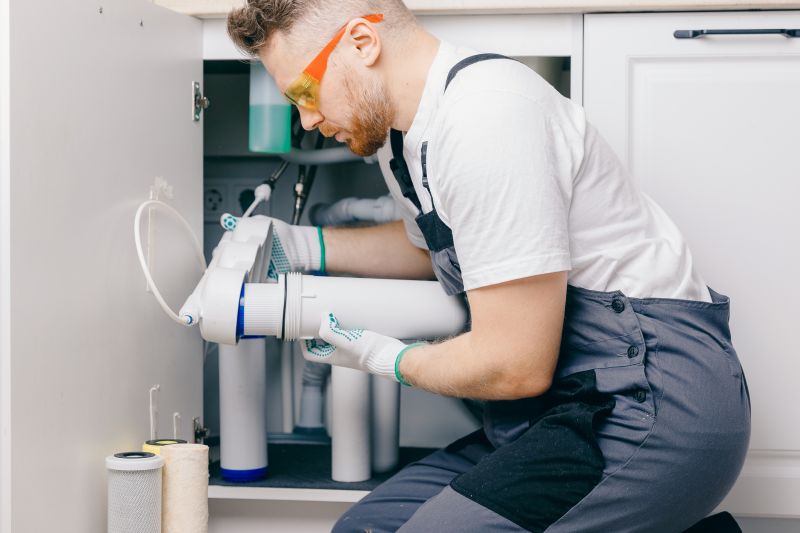
Simple add-ons that improve Water Treatments without blowing the budget.

High-end options that actually feel worth it for Water Treatments.
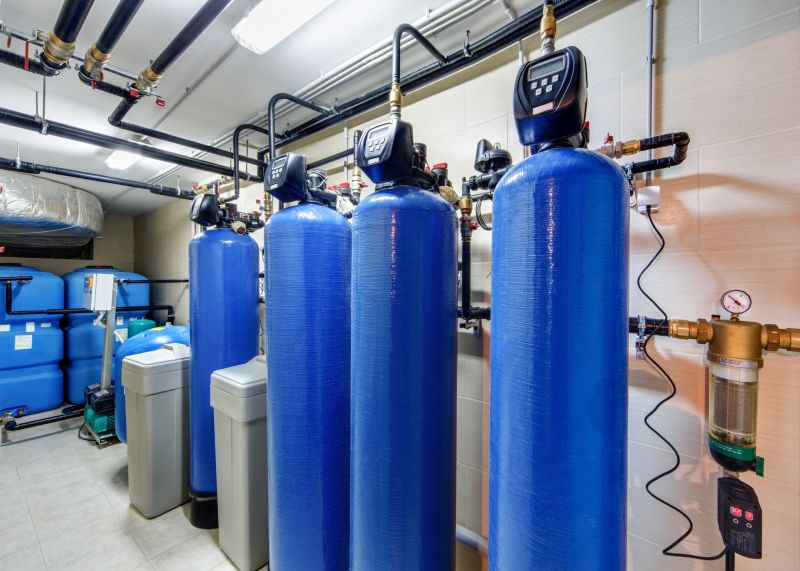
Finishes and colors that play nicely with Water Treatments.
| Season | Recommended Treatment Activities |
|---|---|
| Spring | Perform system flush and check filters. |
| Summer | Apply algae prevention treatments. |
| Fall | Conduct water quality testing and system maintenance. |
| Winter | Ensure system protection against freezing. |
Water treatments involve processes such as filtration, chemical dosing, and disinfection to improve water quality. Regular treatments can reduce contaminants like sediments, bacteria, and chemicals, ensuring safe and clean water for residential, commercial, or industrial use. Statistics indicate that proper water treatment can decrease waterborne illnesses by up to 90 percent and extend the lifespan of plumbing systems.
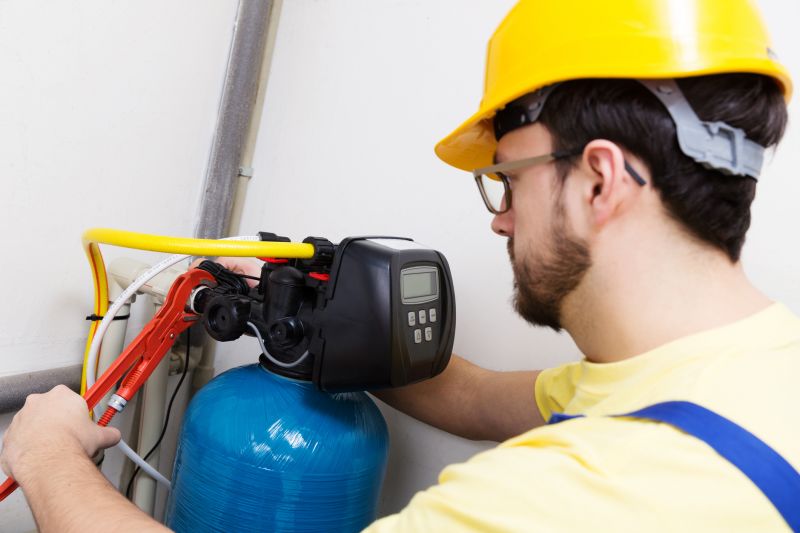
Facility where water is processed and purified.
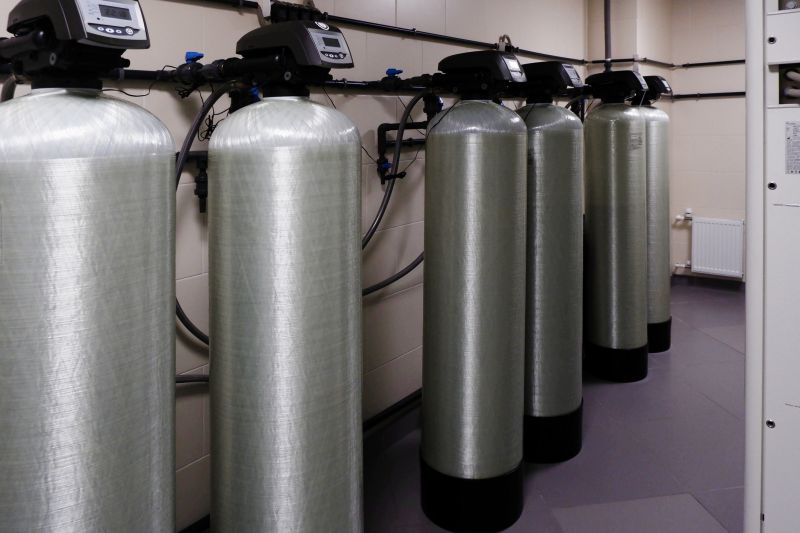
Equipment used to add treatment chemicals precisely.
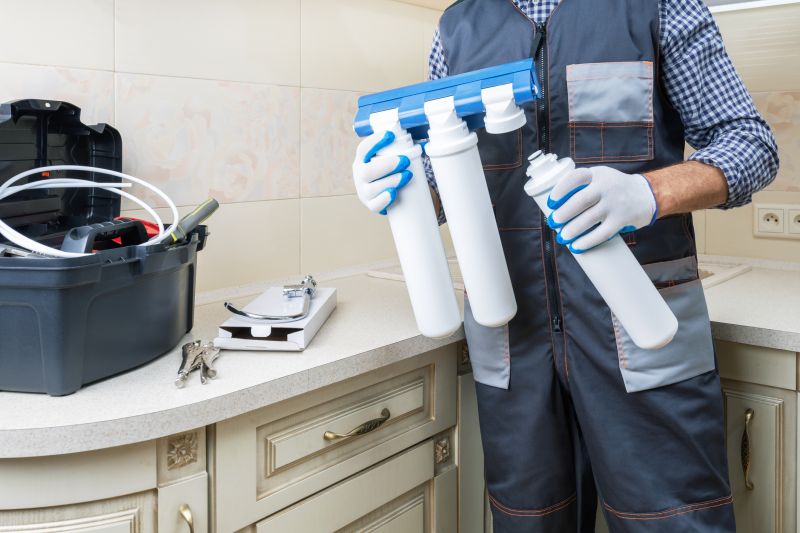
Laboratory analysis for contaminants and purity.
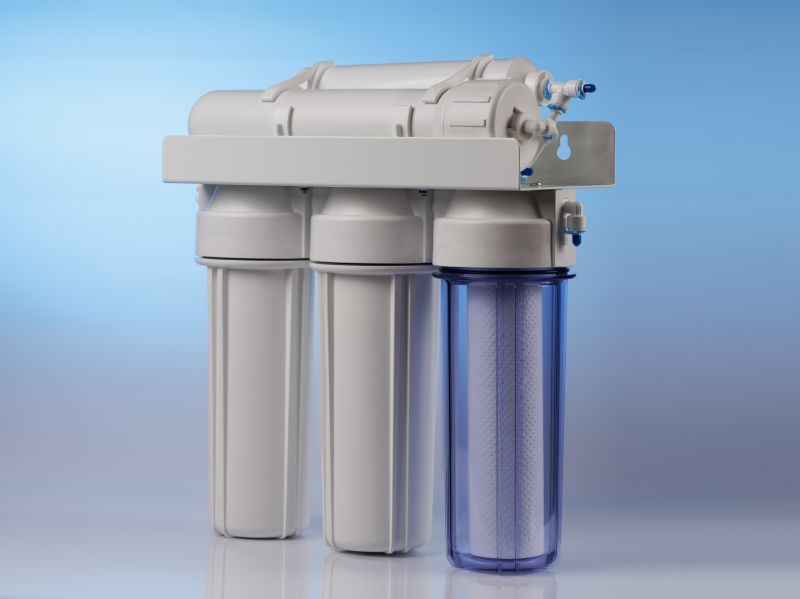
Point where clean water exits the treatment system.
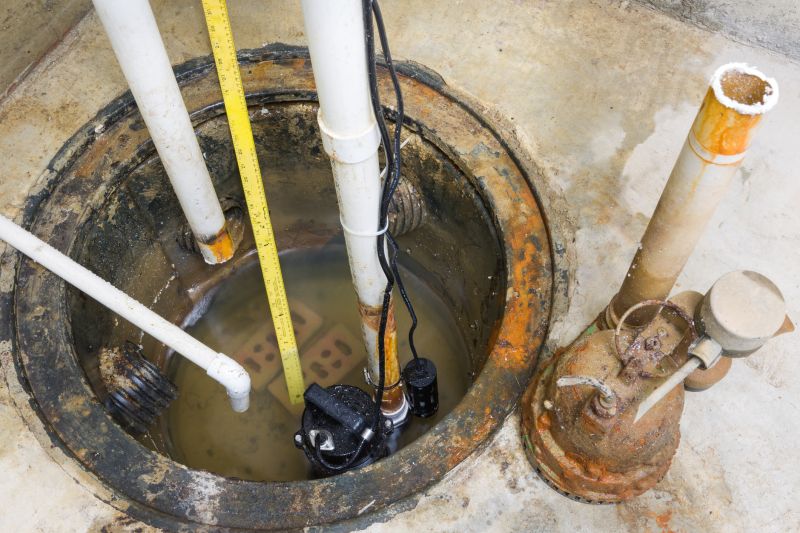
Little measurements that prevent headaches on Water Treatments day.
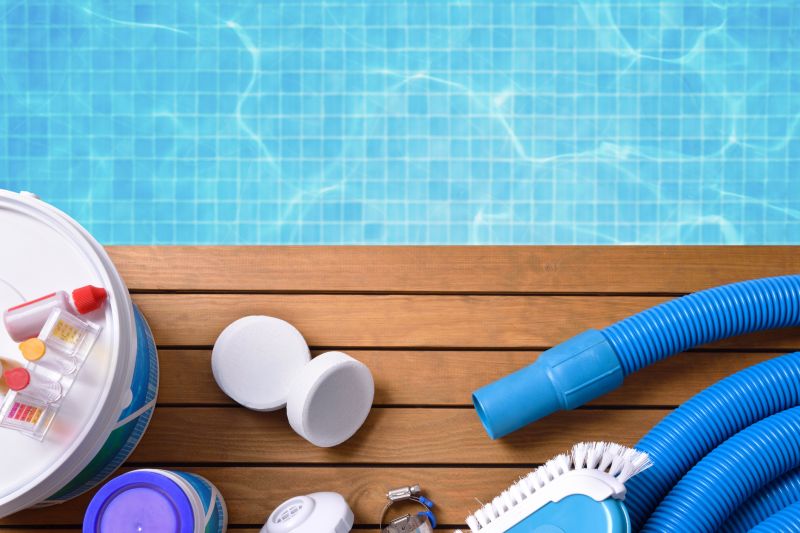
A 60-second routine that keeps Water Treatments looking new.
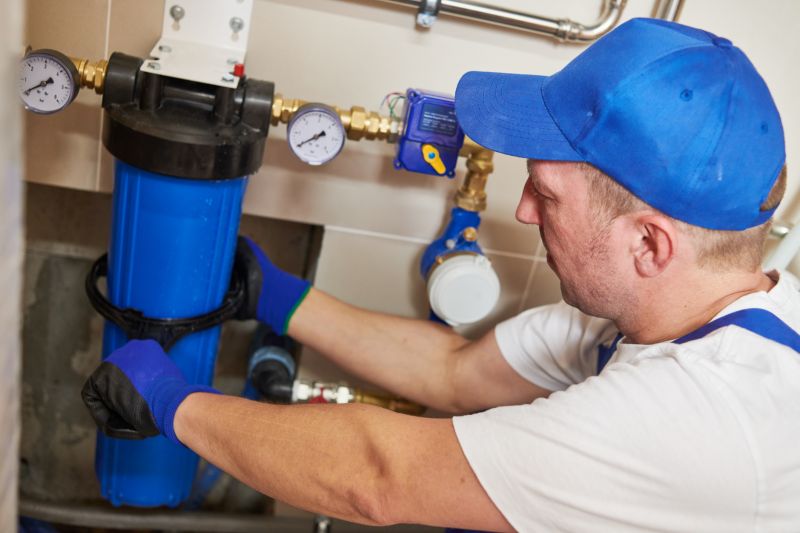
A frequent mistake in Water Treatments and how to dodge it.
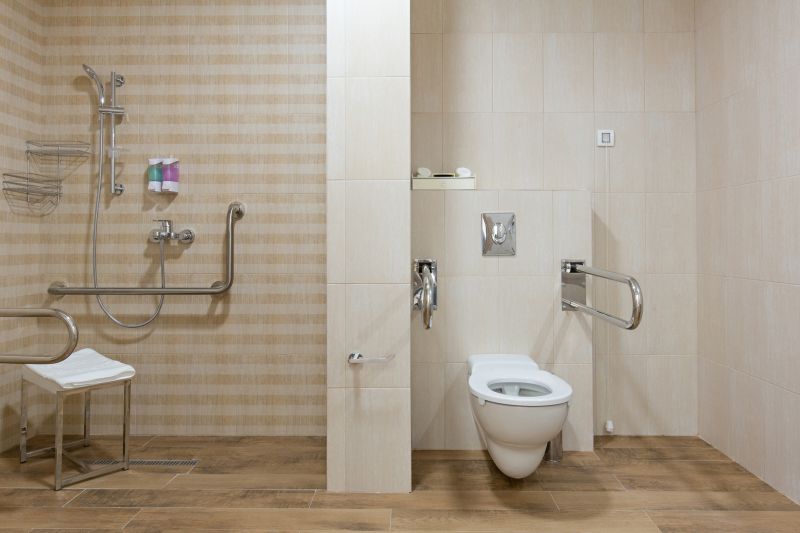
Small tweaks to make Water Treatments safer and easier to use.
Unusual odors, discoloration, or sediment in water indicate the need for treatment.
Routine treatments are recommended every 6 to 12 months based on water usage.
Scheduling treatments at optimal times enhances water quality and system efficiency.
Professional testing can identify specific treatment needs and timing.
Scheduling water treatments at the right times is essential for maintaining water quality and system performance. Properly timed treatments can prevent costly repairs, reduce health risks, and ensure consistent water safety. For assistance in determining the best treatment schedule, contact professionals experienced in water treatment solutions.